Our Environmental Services are designed to help you meet sustainability goals, minimize your environmental impact, and ensure compliance with local and national regulations. Whether it’s conducting environmental site assessments or addressing the challenges of working in sensitive ecosystems, we provide tailored solutions that protect both your project and the environment.
We offer comprehensive Phase 1 and Phase 2 Environmental Site Assessments (ESAs) to identify potential environmental hazards on your site. Phase 1 focuses on historical site use and possible contamination, while Phase 2 involves sampling and testing to confirm any concerns. These assessments help you make informed decisions about property acquisitions, development, and risk mitigation.
At the preconstruction stage, we assess environmental risks and help you plan for potential challenges. Our team works closely with you to ensure that environmental factors such as soil conditions, water quality, and biodiversity are taken into account, guiding you toward sustainable and responsible development practices.
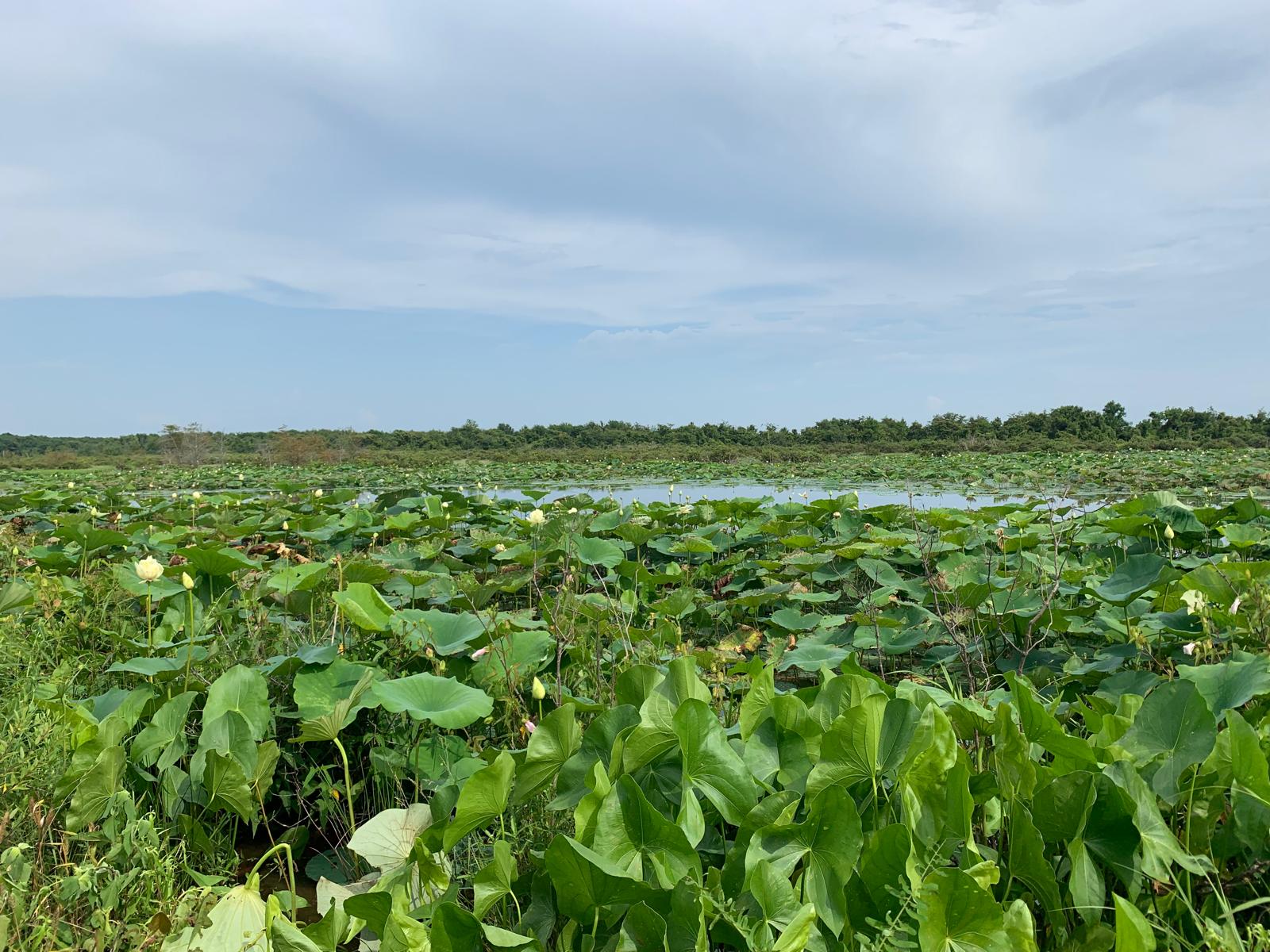
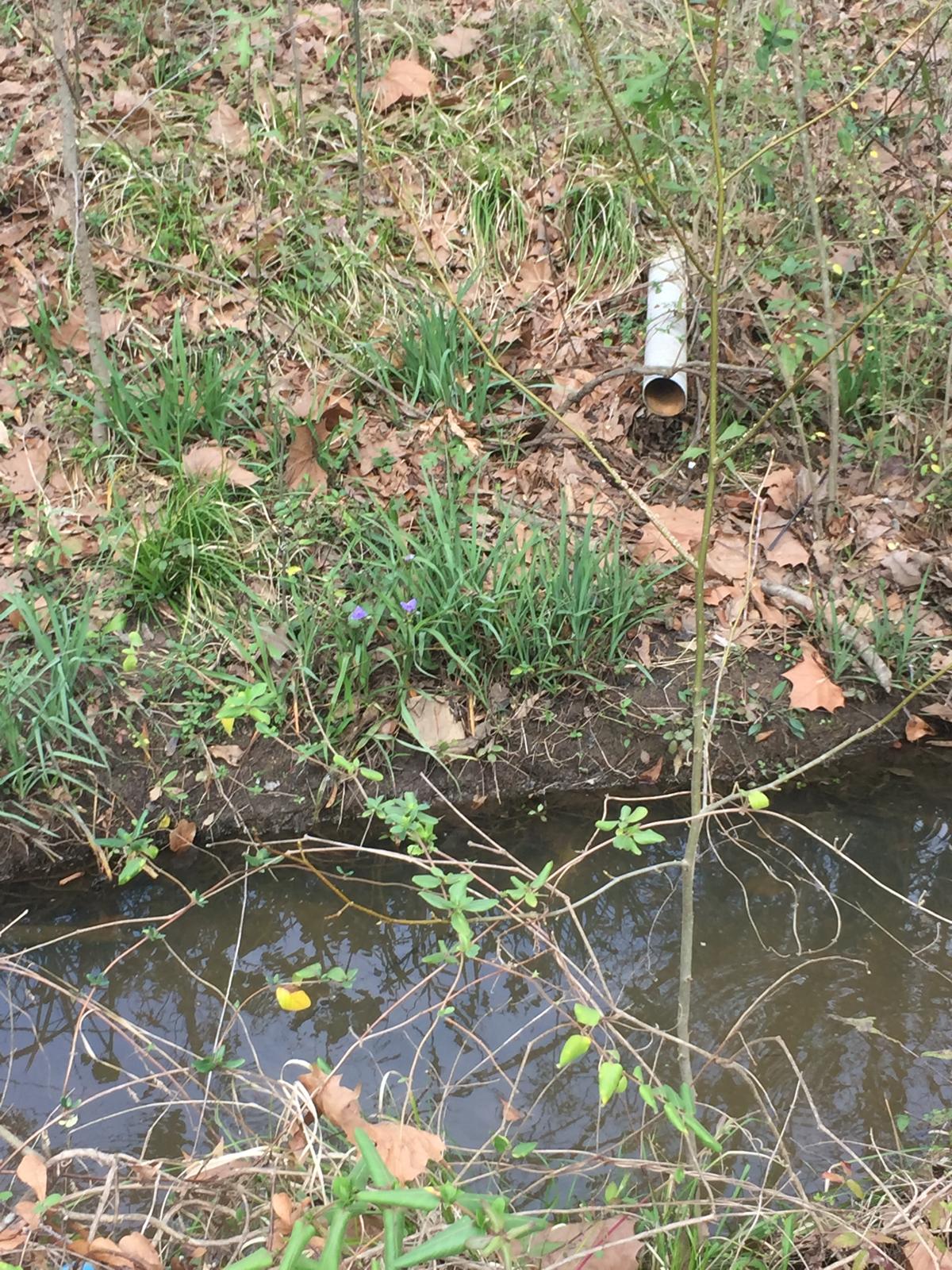
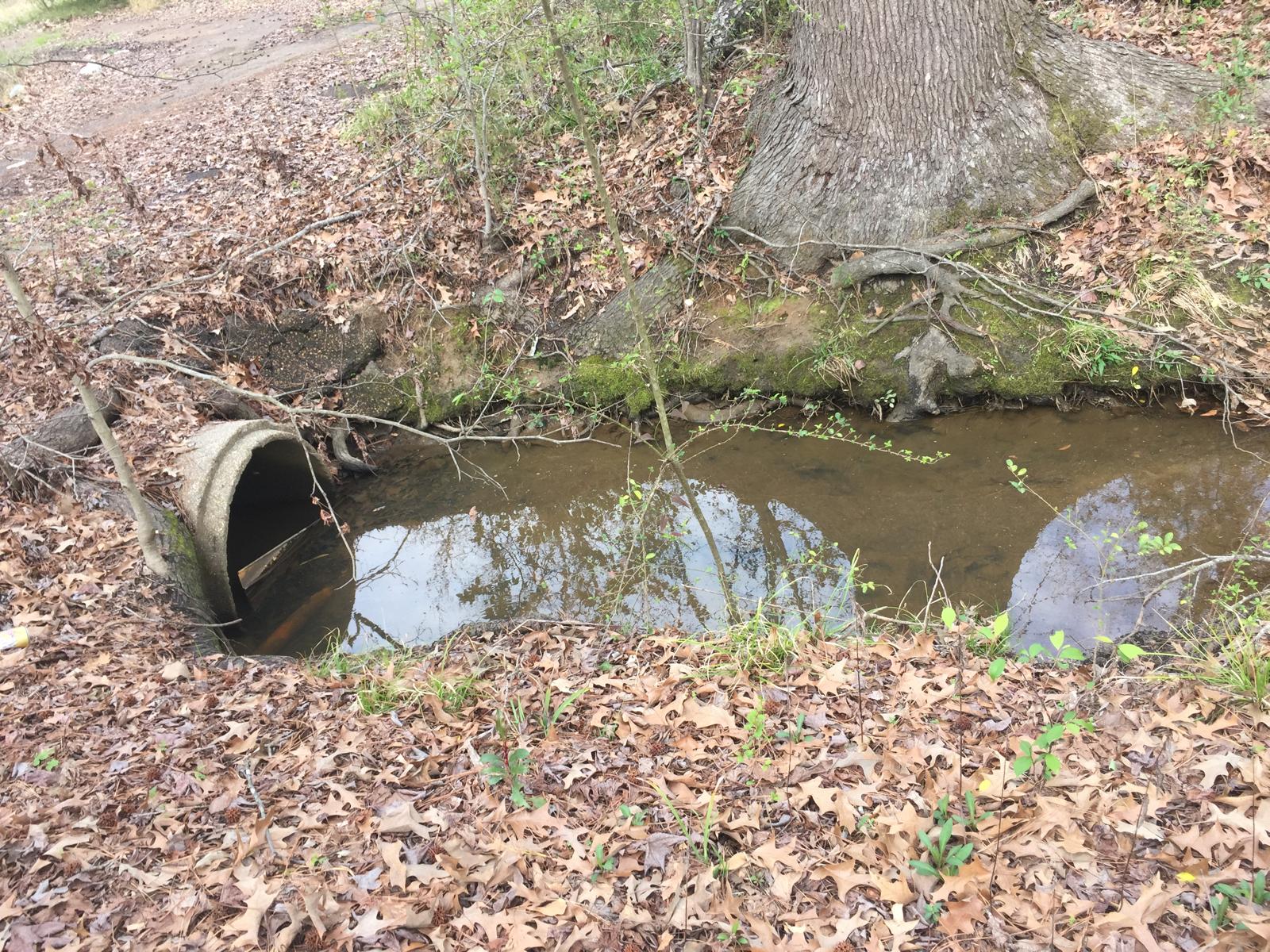
When your project involves working in or near protected areas such as national forests, we conduct detailed environmental impact assessments to ensure your project complies with regulatory requirements and minimizes harm to the local ecosystem. We evaluate soil erosion, water runoff, and potential effects on wildlife to provide strategies that mitigate environmental impact.

We continuously refine our environmental services to stay ahead of regulatory changes and adopt the latest sustainable practices.
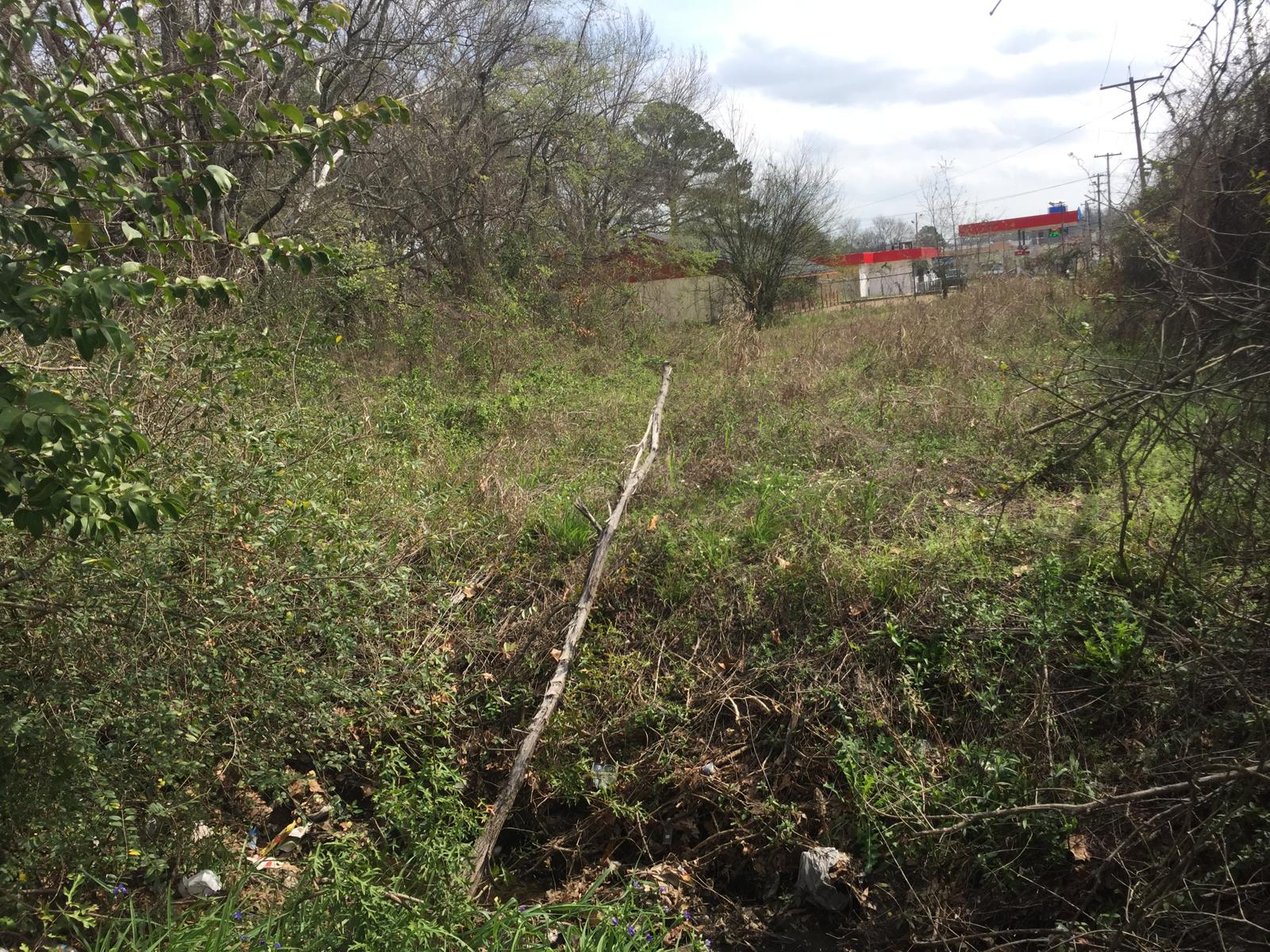
A Phase 1 ESA involves reviewing historical records, conducting site inspections, and interviewing property owners to identify potential environmental concerns such as contamination or hazardous materials.
Phase 2 ESA involves physical testing of soil, water, and air samples to confirm any environmental risks identified during Phase 1. It helps determine the presence and extent of contamination, allowing for proper remediation plans.
Environmental studies help you identify potential risks, ensuring compliance with environmental laws, and preventing costly delays. They also provide you with the information needed to develop mitigation strategies that protect both the environment and your investment.