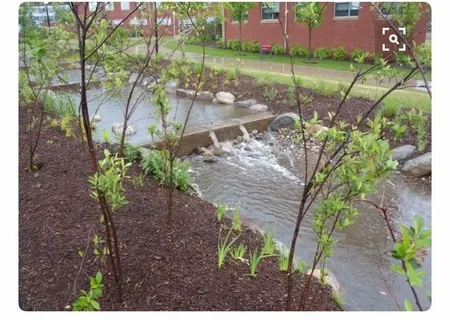
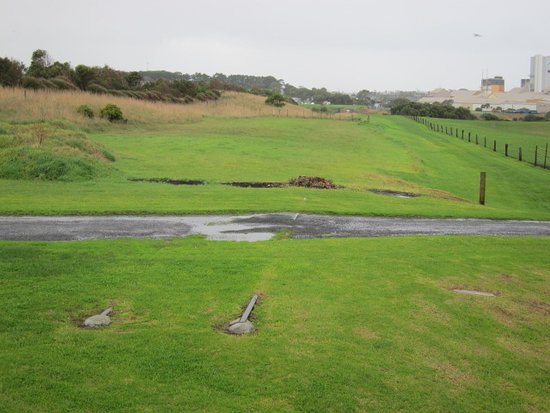
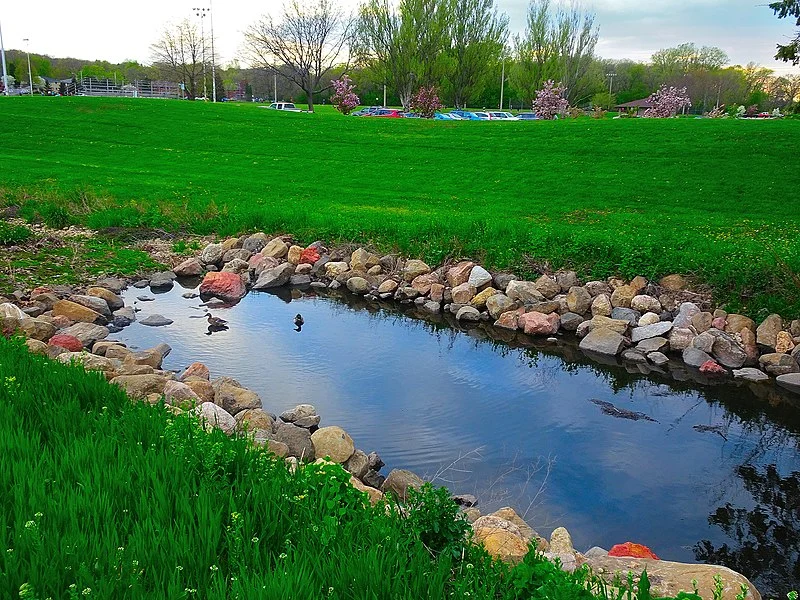
Our stormwater management solutions are designed to handle runoff efficiently, protecting your property and the surrounding environment from water damage. We specialize in designing effective stormwater systems that meet local regulations and provide long-term sustainability. With increasing concerns over water runoff and its environmental impact, our designs focus on innovative and eco-friendly solutions.
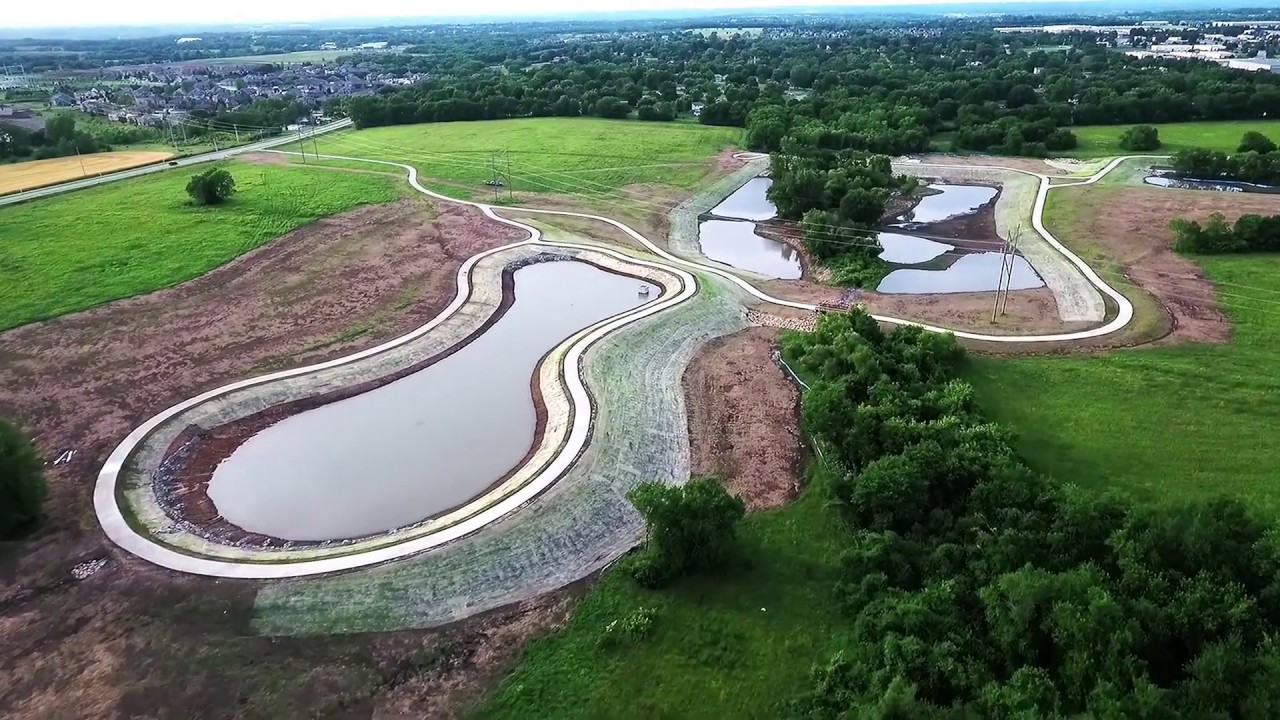
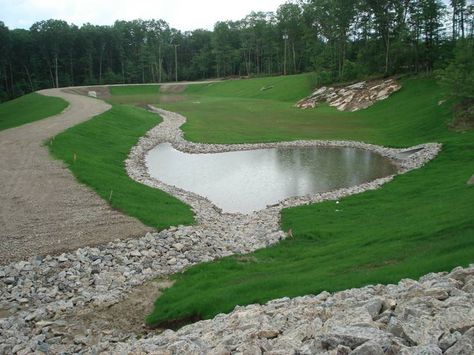
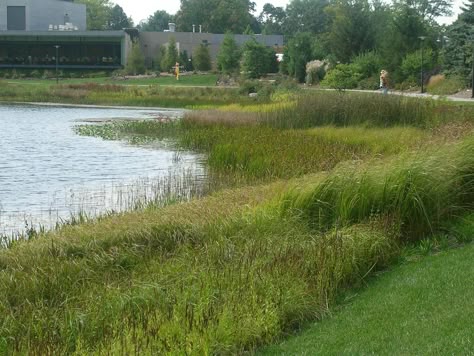
Our detention pond design service provides a safe and effective solution for managing excess stormwater. These ponds temporarily store runoff water during heavy rainfall, releasing it gradually to prevent flooding and erosion. Our engineers design detention ponds that integrate seamlessly into your landscape while minimizing their environmental impact.
During preconstruction, we assess your site’s hydrological needs to design the most efficient stormwater and detention pond systems. We ensure that your stormwater infrastructure complies with all relevant regulations and is optimized to prevent flooding and protect surrounding areas from erosion.
Whether it’s for a small residential property or a large commercial site, we offer custom detention pond designs tailored to your project’s specific needs. We analyze the local topography, climate, and water flow patterns to ensure your pond provides adequate storage capacity and stormwater control.

Our team constantly strives to improve our stormwater management and detention pond designs, utilizing the latest technologies and methodologies.
A detention pond is a basin designed to temporarily store excess rainwater during heavy rainfall, allowing it to gradually flow into the drainage system or surrounding environment. This helps to prevent flooding and water damage to nearby properties.
Proper stormwater management is essential to prevent flooding, protect the environment, and reduce soil erosion. It helps control runoff, reducing the strain on public stormwater systems and minimizing water pollution.
Detention ponds manage stormwater by capturing and storing runoff during rainstorms, slowly releasing it into the environment at a controlled rate. This prevents overwhelming local drainage systems and reduces the risk of flooding and water damage.